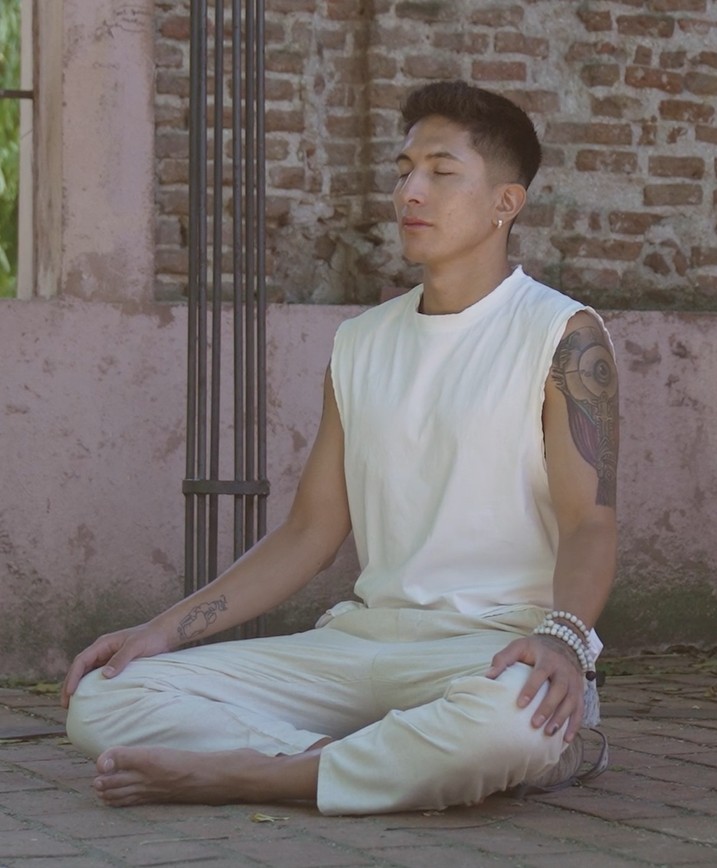

How conscious movement helps you return to balance
Yoga is often described as a physical practice, yet its true depth begins far beyond the visible shapes of the body. At its core, yoga is an act of listening. It is the quiet decision to pause, to feel, and to relate to yourself with honesty and care.
In a world that encourages speed, productivity, and constant improvement, yoga offers something different. It invites presence instead of performance, awareness instead of achievement, and connection instead of control.
Moving with awareness, not ambition
Many people arrive at yoga searching for flexibility, strength, or relief from discomfort. These benefits often appear, but they are not the real purpose. Yoga is not about reaching an ideal posture. It is about learning how to inhabit your body as it is today.
When movement is guided by attention rather than ambition, the body begins to soften. Muscles release unnecessary tension. Breathing becomes steadier. The nervous system receives a clear signal of safety.
This is where transformation begins. Not through force, but through consistent, mindful attention.
Breath as an anchor to the present moment
Breath is the bridge between body and mind. It responds immediately to stress, emotion, and thought patterns. In yoga, breathing is not something to control aggressively. It is something to observe and gently guide.
Slow, conscious breathing supports the parasympathetic nervous system, which is responsible for rest, digestion, and recovery. Over time, this creates a sense of internal stability that extends far beyond the mat.
When breath leads movement, the practice becomes less about effort and more about rhythm. Each inhale invites space. Each exhale allows release.
Yoga and emotional regulation
The body stores experience. Stress, unresolved emotion, and prolonged pressure often manifest as tightness, fatigue, or discomfort. Yoga offers a way to meet these sensations without judgment.
Through steady practice, you may notice emotions arising during certain postures or moments of stillness. This is not a problem to solve. It is information.
Yoga teaches emotional regulation by creating a safe container where sensation can be felt without overwhelm. Over time, this builds resilience, self trust, and emotional clarity.
Consistency over intensity
One of the most common misunderstandings about yoga is the belief that intensity equals progress. In reality, the nervous system responds best to regularity and moderation.
A short, consistent practice can be more supportive than occasional long sessions. Even ten minutes of conscious movement and breathing can help recalibrate your internal state.
Yoga becomes sustainable when it fits into daily life, not when it competes with it.
Yoga as a relationship with yourself
At its deepest level, yoga is a relationship. A relationship with your body, your breath, and your inner landscape. Like any healthy relationship, it requires listening, patience, and respect for boundaries.
Some days the body feels open and strong. Other days it asks for rest and simplicity. Yoga honors both.
There is no final destination in this practice. There is only a continuous return to presence.
Bringing yoga off the mat
The effects of yoga extend into everyday life. You may notice greater awareness in how you sit, walk, or speak. You may respond to stress with more space and less reactivity. You may begin to recognize when you need rest instead of pushing forward.
This is where yoga truly lives. Not in perfect postures, but in how you meet each moment.
A gentle invitation
Yoga does not ask you to become someone else. It invites you to come back to who you already are.
With time, the practice becomes less about doing and more about being. Less about fixing and more about allowing.
And in that space of quiet attention, balance often finds you naturally.